How On-Site Car Key Programming Actually Works
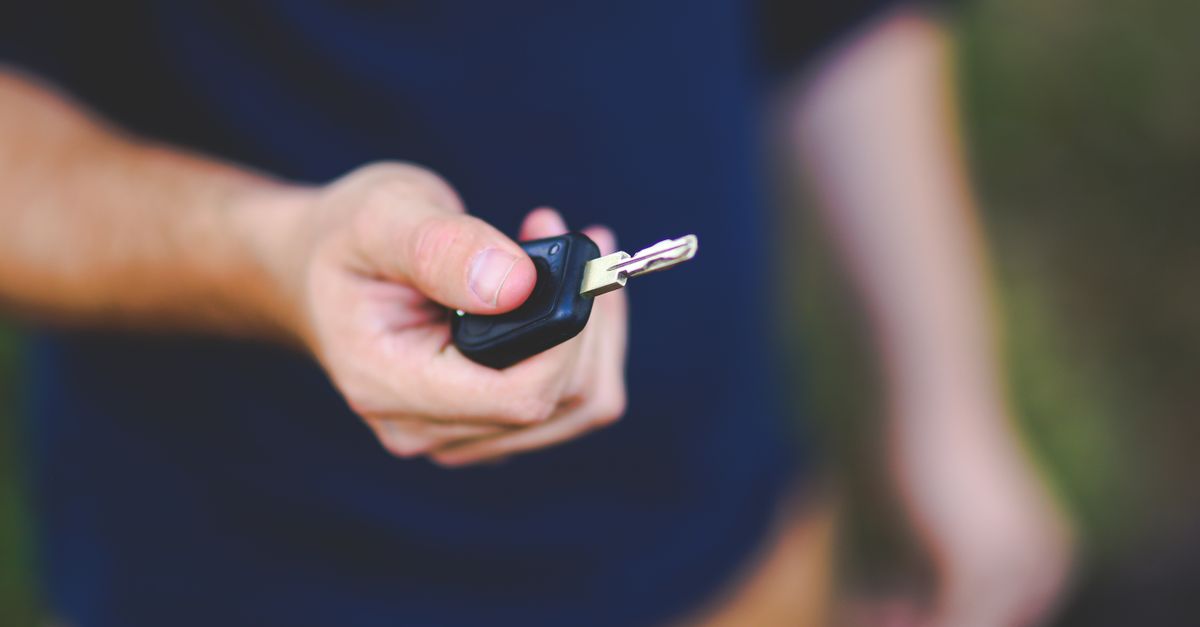
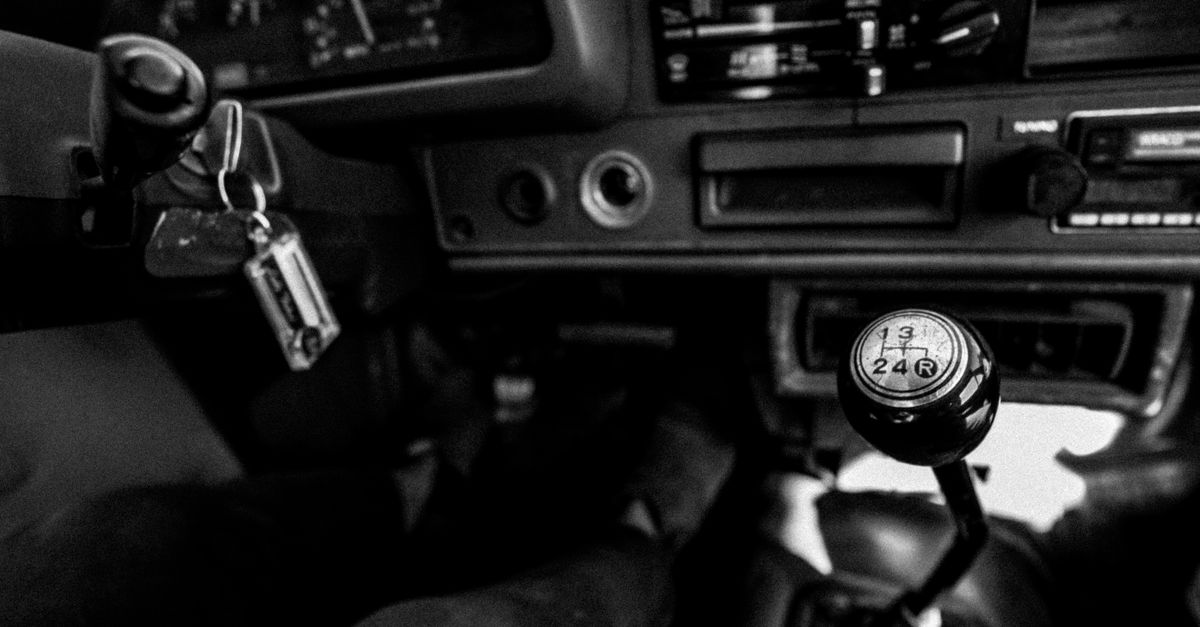
Transponder keys contain a tiny microchip inside the key head. When you insert the key and turn the ignition, your vehicle's ECU sends a radio frequency signal to that chip. If the chip returns the correct rolling code, the immobilizer disarms and the engine starts. If the codes don't match — because the key is new, uncloned, or damaged — the car simply won't start, often with no warning light other than a security indicator. Smart keys and proximity fobs operate on the same principle but communicate wirelessly, adding a second layer of pairing that requires specialized software to complete correctly.
Our mobile technicians arrive at your location with OBD-II compatible programming tools that connect directly to your vehicle's onboard diagnostic port, read the existing immobilizer data, and write the new key's code into the system. The process is non-invasive and, where the vehicle's architecture allows, completely damage-free. Depending on your car's make, model year, and the specific key type, the programming step alone can take anywhere from a few minutes to about half an hour. We confirm every detail — including an exact, up-front price — before a single tool touches your car.